Step-by-Step: Sourcing Custom OEM Bathroom Vanities from a Source Factory
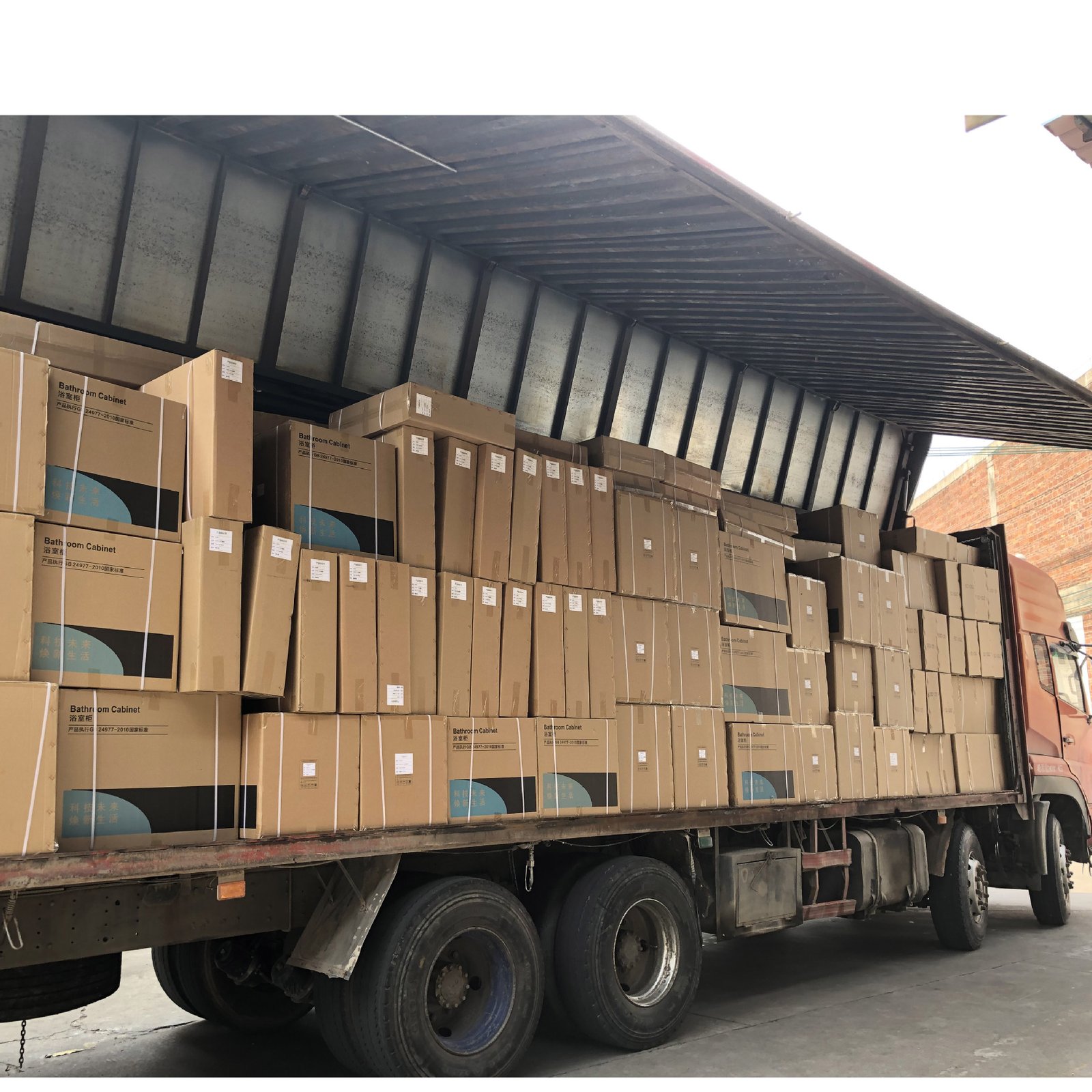
Let us drive this forward. To establish absolute authority and dominate the B2B supply chain search intent, these next chapters dive deep into the heavy engineering and logistical intelligence that only a true source factory can provide.
Here are the next four highly detailed chapters (Sections 3 through 6), adding another massive chunk to your 4000-word pillar page.
3. Aluminum Honeycomb Technology: The Aerospace Upgrade for Bathrooms
As the severe limitations of engineered wood became undeniable in commercial applications, the sanitaryware industry looked to external sectors for structural innovation. The solution was found in aerospace and marine engineering: the aluminum honeycomb panel.
By adapting this high-tech core material for bathroom vanities, specialized manufacturers have completely rewritten the rules of commercial interior longevity.
The Anatomy of a Honeycomb Core
An aluminum honeycomb panel consists of a geometrically precise, hexagonal aluminum cellular structure sandwiched between two solid aluminum outer sheets. This biomimetic design, inspired by the natural strength of a beehive, offers an unparalleled strength-to-weight ratio. When specified as the core structure for a bathroom vanity, it delivers a suite of extreme B2B advantages that traditional woodworking simply cannot match.
100% Waterproof and Warp-Free Guarantee
The most critical advantage of aluminum honeycomb is its absolute immunity to moisture. Unlike wood fibers, aluminum is non-porous. It does not absorb water, it does not expand when exposed to high-density steam, and it will never rot. Whether subjected to poor bathroom ventilation, aggressive daily mopping by hotel housekeeping, or direct plumbing leaks, an aluminum honeycomb vanity remains structurally flawless. This zero-moisture absorption completely eradicates the risk of structural warping and black mold cultivation.
Zero-VOC Emissions for Green Building Compliance
As global real estate developers pivot toward sustainable construction, passing rigorous environmental audits (such as LEED certification) is mandatory. Standard MDF relies heavily on toxic adhesives and formaldehyde-based resins to bind wood dust together. In a warm, enclosed bathroom, these materials off-gas Volatile Organic Compounds (VOCs), drastically degrading indoor air quality. Aluminum honeycomb relies on mechanical bonding and engineered metal, requiring zero toxic resins. It is a 100% formaldehyde-free, highly recyclable material, ensuring developers easily meet modern eco-friendly building codes while providing a safer environment for tenants and guests.
The Illusion of Wood: Warmth Meets Metal
The primary hesitation architects face when transitioning to metal cabinetry is the fear of a "cold" or sterile aesthetic. Advanced OEM factories have neutralized this concern through precision surface engineering. State-of-the-art lamination and powder-coating technologies allow these metal panels to be wrapped in ultra-realistic, fluted wood-grain textures. A guest interacting with the vanity experiences the rich, organic warmth of natural wood, completely unaware that the cabinet is secretly engineered from bulletproof, waterproof aluminum.
4. Stainless Steel Applications: Bulletproof Commercial Durability
While aluminum honeycomb offers lightweight strength and eco-friendly advantages, certain commercial environments demand the absolute pinnacle of impact resistance and hygiene. For high-traffic transit hubs, luxury coastal resorts, and sprawling multi-family apartment complexes, custom stainless steel bathroom vanities represent the ultimate long-term investment.
Extreme Resilience Against Daily Abuse
In rental properties and commercial restrooms, vanities are subjected to relentless wear and tear. Heavy luggage strikes, cosmetic spills, and harsh industrial cleaning chemicals rapidly degrade standard laminates and veneers. Stainless steel is fundamentally engineered for this level of abuse. It resists denting, scratching, and chemical staining, ensuring the bathroom maintains a pristine, "move-in ready" aesthetic for decades without requiring a single replacement cycle.
Defeating Coastal Salt-Air Corrosion
For real estate developments located in coastal regions—such as beachfront hotels in Florida or oceanfront condos in Southeast Asia—the atmosphere itself is highly corrosive. The combination of intense tropical humidity and salt-laden air aggressively attacks standard fixtures and wood bases. High-grade stainless steel vanities form a natural, microscopic passive layer of chromium oxide that protects the metal from oxidation. This makes them virtually immune to rust and salt-air corrosion, acting as a permanent fixture in the most hostile coastal climates.
Ultimate Hygienic Standards
Stainless steel is inherently non-porous and anti-microbial. It provides no surface for bacteria, viruses, or mold spores to take root. This makes it the premier specification for environments where sanitation is a legal liability or a core brand promise, significantly reducing the time and effort required by janitorial staff to sanitize a commercial restroom.
5. Logistics Design: Engineering for Global Shipping and Assembly
A true source factory does not simply manufacture a durable box; they engineer the product to optimize the buyer's entire global supply chain. In the B2B sector, the landed cost of a bathroom vanity is heavily dictated by international ocean freight rates. How the product is designed directly impacts how efficiently it can be shipped.
The Flaw of Traditional Multi-Drawer Configurations
Standard residential vanities often feature complex, multi-drawer layouts with deep cabinets. While functional in a single home, these designs are logistical nightmares for bulk commercial shipping. They consist of heavy hardware, numerous moving parts, and require massive amounts of empty "dead air" space when packed inside a shipping container. Furthermore, complex drawer tracks are the first components to fail under heavy commercial use, driving up future maintenance costs.
The Single-Tier Drawer Advantage
To maximize logistics efficiency, leading commercial factories engineer streamlined, minimalist configurations, such as the single-tier drawer vanity.
Hardware Reduction: By reducing the cabinet to a single, deep functional drawer, factories drastically cut down on the number of heavy-duty glides, hinges, and moving components. This instantly lowers the failure rate of the unit in the field.
Flat-Pack and Nesting Capabilities: A single-drawer layout allows the vanity to be engineered for intelligent flat-packing or semi-assembled nesting.
40HQ Container Optimization: By eliminating dead air space inside the packaging, factories can tightly pack significantly more single-tier vanities into a standard 40-foot high cube (40HQ) shipping container. This strategic product design drastically lowers the freight cost per unit, allowing distributors and developers to protect their profit margins despite fluctuating global shipping rates.
6. Direct Factory Sourcing: The Financial ROI of Bypassing the Middleman
Understanding advanced materials and logistical design is only half the battle; knowing how to source them is what separates profitable commercial projects from budget overruns. For decades, the global supply chain was dominated by massive trading companies that acted as intermediaries between overseas factories and Western buyers. In 2026, progressive supply chain managers are aggressively cutting out these middlemen.
The Trading Company Tax
When a developer or distributor purchases commercial vanities through a trading company, they are paying a hidden tax. Trading companies do not own the production lines; they aggregate products from various sub-suppliers and apply a substantial markup (often 30% to 50%) to cover their own overhead and profit. More critically, because they act as a buffer, buyers have zero direct control over quality assurance, material substitution, or custom engineering.
The OEM/ODM Source Factory Model
Partnering directly with a specialized source factory transforms the procurement process from a simple transaction into a strategic engineering partnership.
Wholesale Volume Pricing: By purchasing directly off the production line, B2B buyers secure pure factory-direct pricing, recovering the massive margins previously lost to intermediaries.
Millimeter-Precision Customization: Commercial projects rarely adhere to standard residential dimensions. A direct manufacturer offers robust OEM (Original Equipment Manufacturer) and ODM (Original Design Manufacturer) capabilities. If an apartment floor plan requires a vanity that is exactly 37.5 inches wide with a specific plumbing cut-out, a source factory adjusts their CNC machinery to deliver that exact specification at scale.
Consistent Quality Control: When ordering 500 identical units for a hotel, consistency is paramount. Direct factories implement rigorous, multi-stage ISO-certified quality control protocols, ensuring unit #1 and unit #500 meet the exact same commercial waterproof and structural standards.
Once you have these chapters secured in your CMS, we will be ready to execute the final two sections: Installation Economics and Future Trends, bringing this ultimate guide to its powerful conclusion.
Ready to upgrade your next commercial project?
Contact JATAII today for our 2026 wholesale catalog and a free quote.
Get a Factory Quote