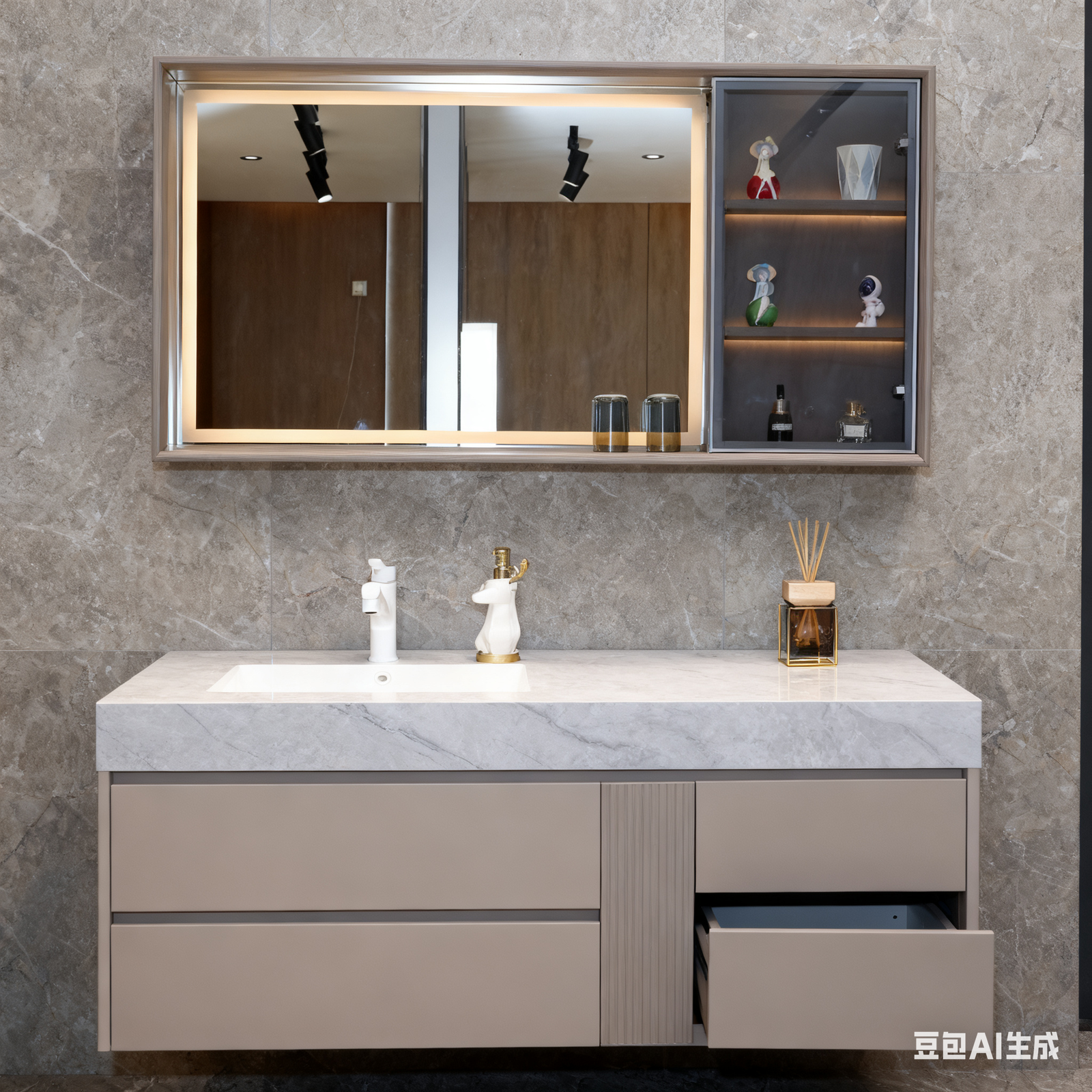
Delivering Custom‑Style Bathroom Vanities Without Sky‑High Costs: Practical Guide for Importers & Retailers
Published: May 24, 2026
▼ Table of Contents (Click to expand)
Introduction
Why Fully‑Custom Bathroom Vanities Come With Hefty Price Tags
1.1 Non‑standard dimensions raise manufacturing complexity
1.2 Small‑batch output eliminates economies of scale
1.3 Excessive material, finish and colour selections
1.4 Expensive design iteration and back‑and‑forth communication
1.5 Elevated risk of rework and order scrap
1.6 Special‑size packaging and higher logistics expenses
Proven Tactics to Offer Custom‑Looking Vanities While Controlling Costs
2.1 Prioritise standard base dimensions wherever feasible
2.2 Focus customisation on visible customer‑facing components
2.3 Adopt semi‑custom modular product frameworks
2.4 Build product lines around interchangeable modules
2.5 Keep colour and finish portfolios well‑curated
2.6 Select standardised hardware with premium upgrade tiers
2.7 Limit bespoke changes for countertops and sink basins
How Manufacturers Lower Costs For Custom‑Oriented Bathroom Vanity Orders
3.1 Build stable standard cabinet platform foundations
3.2 Deploy shared universal components across product series
3.3 Implement menu‑driven controlled customisation
3.4 Leverage CNC machining and standardized digital drawing workflows
3.5 Consolidate similar orders to achieve batch‑production benefits
Semi‑Custom Vanity Model: Cost, Lead‑Time & Use‑Case Comparison
Cost‑Cutting Best Practices For B2B Buyers, Importers & Project Contractors
5.2 Build complete product series instead of isolated one‑off SKUs
5.3 Manage MOQ and colour assortment strategically
5.4 Finalise drawings and site installation constraints before production release
5.5 Deploy tiered upgrade packages instead of open‑ended customisation
Cost‑Inflating Pitfalls To Avoid When Sourcing Custom‑Style Vanities
6.1 Over‑reliance on odd non‑standard measurements
6.2 Uncontrolled proliferation of colour and finish options
6.3 Overlooking plumbing, drain and drawer‑interference risks
6.4 Prioritising aesthetics while neglecting cabinet structural performance
6.5 Mass production without pre‑production sample validation
6.6 Repeated design modifications after order confirmation
Is Budget‑Friendly Personalised Vanity a Sustainable Market Trend?
Final Summary
Introduction
The core principle behind low‑cost custom‑style bathroom vanities is not to reject customisation entirely. Instead, you should concentrate customisable work on high‑value customer‑visible areas, while locking down cabinet foundations with proven standardised structures.
The winning formula reads: standardised cabinet carcass + personalised visible aesthetics + modular functional options + restrained dimensional adjustments.
Rather than engineering every vanity completely from scratch, you make targeted modifications on mature standard base units: adjust door colours, swap door‑panel profiles, upgrade countertops, change handles, add drawer dividers or make minor dimensional tweaks. This satisfies diverse project, retail and end‑consumer requirements without triggering dramatic price increases.
According to the Houzz & NKBA 2026 bathroom industry reports, bathroom renovation spending remains robust across North‑American and European markets. Bathroom vanities stand out as high‑priority renovation items that merge storage, aesthetics and daily practicality, creating strong market appetite for personalised vanity solutions. Many homeowners want tailored storage layouts, unique finishes and better space fit, yet remain sensitive to lead‑times and total project budgets. This creates huge commercial opportunities for retailers and importers who can deliver custom‑looking products without full bespoke pricing.
1. Why Fully‑Custom Bathroom Vanities Come With Hefty Price Tags
High pricing for fully‑custom bathroom vanities seldom originates purely from expensive raw materials. Most extra costs stem from added complexity spread throughout the whole manufacturing workflow.
1.1 Non‑standard dimensions raise manufacturing complexity
Standard vanities benefit from batch cutting, automated edge‑banding, pre‑programmed drilling and high‑speed assembly. When every order carries unique width, height or depth values, factories must create separate drawings, reset CNC machine parameters, organise dedicated material cutting and schedule independent production runs. This drives up labour expenditure, machine setup time and human error probability.
1.2 Small‑batch output eliminates economies of scale
Standard product runs can produce dozens or hundreds of identical units in one production cycle, improving raw‑material yield and worker efficiency. Custom orders frequently run in tiny lot sizes, sometimes only a handful of pieces per job. Design overhead, production‑setup cost and material waste get distributed across very few finished goods, pushing per‑unit prices upward.
1.3 Excessive material, finish and colour selections
Special paint tones, rare wood veneers, exclusive countertop stone or niche hardware models frequently trigger supplier minimum‑order‑quantity (MOQ) restrictions. When your order volume sits below the supplier MOQ threshold, material costs inflate significantly.
1.4 Expensive design iteration and back‑and‑forth communication
Custom projects demand thorough confirmation of dimension drawings, structural layouts, colour samples, countertop cut‑outs, drain positions and drawer internal configurations. Every additional round of review adds labour‑intensive communication work and raises the risk of misinterpretation.
1.5 Elevated risk of rework and order scrap
If defects emerge for standard stock goods, individual spare components can often be replaced separately. For fully‑custom vanities with wrong dimensions, mismatched colour or misplaced sink cut‑outs, large sections or even the complete cabinet may become unusable. Factories build this potential rework‑loss risk directly into quotation pricing.
1.6 Special‑size packaging and higher logistics expenses
Non‑standard vanity dimensions cannot utilise pre‑made standard‑size export cartons. Oversized double‑sink units, sintered‑stone countertops and one‑piece ceramic integrated basins demand bespoke reinforced packaging solutions, which push packaging and ocean‑freight costs higher.
2. Proven Tactics to Offer Custom‑Looking Vanities While Controlling Costs
2.1 Prioritise standard base dimensions wherever feasible
The number‑one rule for affordable custom‑style vanities is leaning on established industry standard sizes as much as practical.
Common US‑market vanity width benchmarks:
Standard Width | Typical Application Scenario |
|---|---|
24 inch | Compact guest bathrooms, small powder rooms |
30 inch | Apartment bathrooms, compact master suites |
36 inch | Mainstream single‑sink residential specification |
48 inch | Mid‑size family bathrooms |
60 inch | Double‑sink or large single‑sink layouts |
72 inch | Spacious master bathrooms, multi‑unit housing projects |
If a customer wants something “close to 48‑inch”, favour selecting the stock 48‑inch unit instead of requesting 47.3‑inch or 49.6‑inch bespoke sizing. Seemingly minor dimensional deviations force the factory to launch an entirely separate custom production workflow.
2.2 Focus customisation on visible customer‑facing components
A highly‑effective cost‑control strategy: keep internal cabinet carcass structures standard, and reserve custom work for outward‑facing elements buyers actually notice.
Customisation Area | Relative Cost Impact | Recommendation Priority |
|---|---|---|
Door‑panel colour / finish | Medium | High |
Handle & knob selection | Low | High |
Countertop material & colour | Medium | High |
Door‑panel profile / styling | Medium | High |
Drawer internal divider organisation | Low‑Medium | High |
Full cabinet carcass redesign | Very High | Exercise caution |
Curved, irregular or organic shapes | Extremely High | Avoid for low‑budget assignments |
Homeowners and project stakeholders mainly perceive colours, door styling, countertops and hardware details; they rarely inspect internal substrate construction. Allocate your customisation budget toward visual appearance and user‑experience upgrades instead of rebuilding complete cabinet structures.
2.3 Adopt semi‑custom modular product frameworks
Semi‑custom vanities occupy the sweet spot sitting between off‑the‑shelf stock goods and fully‑bespoke manufacturing. Built atop fixed cabinet platforms, they offer controlled menus of configurable choices:
Select width within pre‑defined standard‑size range
Multiple finish‑colour alternatives
Varied door‑panel styling
Interchangeable handle options
Choice of countertop and sink combination
Single‑sink or double‑sink configuration
Optional drawer divider inserts, power outlet cut‑outs and internal storage accessories
Semi‑custom solutions deliver personalised aesthetics while preserving mass‑production manufacturing efficiency. NKBA 2026 industry data shows growing market demand for configurable vanity storage modules, including hair‑tool compartments, cosmetic organisers and built‑in charging outlets.
2.4 Build product lines around interchangeable modules
Modular design empowers factories to achieve custom‑looking outcomes without full redesigns. Example for constructing a 60‑inch double‑sink vanity:
Module Type | Practical Instance |
|---|---|
Left drawer module | 18‑inch drawer unit |
Middle door‑cabinet module | 24‑inch open‑storage cabinet |
Right drawer module | 18‑inch drawer unit |
Countertop module | Standard pre‑fabricated 60‑inch countertop |
Sink module | Standard double‑sink pre‑cut opening |
Different overall vanity widths get assembled by combining pre‑engineered smaller cabinet building‑blocks.
2.5 Keep colour and finish portfolios well‑curated
Every extra colour or surface finish option increases inventory pressure, production‑change‑over time and colour‑matching complexity. For new‑launch B2B programs, avoid launching more than 8‑10 total colours and finishes at the very beginning.
Start‑up recommended core colour palette:
Colour Option | Market Compatibility |
|---|---|
White | Mass‑market, versatile, broad‑ranging fit |
Light Oak | Modern natural‑wood aesthetic |
Walnut | Mid‑to‑upper‑segment residential & project work |
Grey | Contemporary transitional‑style bathrooms |
Matte Black / Dark Wood | Designer‑focused projects |
Likewise, restrain finish variations: matte, high‑gloss, soft‑touch, wood‑grain PVC, PET lacquer, veneer all carry separate MOQ requirements. Too many finish choices trigger material‑stock issues, colour‑difference complaints and extended lead‑times.
2.6 Select standardised hardware with premium upgrade tiers
Hardware greatly shapes end‑user experience but does not always demand exotic bespoke components. A balanced cost‑effective approach:
Base configuration: proven brand‑name soft‑close hinges and standard drawer slides
Minimise one‑of‑a‑kind hidden mechanical structures
Limit unique custom‑made handle specifications
Position high‑grade hardware as paid upgrade options instead of default baseline configuration
This holds baseline costs in‑check, while permitting premium‑budget clients to select enhanced hardware packages.
2.7 Limit bespoke changes for countertops and sink basins
Countertops and basins represent one of the biggest cost‑amplification zones within vanity customisation. Conditions that substantially raise pricing:
Fully bespoke countertop overall dimensions
Non‑standard sink cut‑out geometry
Irregular organic countertop outlines
Extra‑thick sintered‑stone specifications
Special‑order exclusive‑colour stone materials
Non‑standard double‑sink spacing
Brand‑new custom‑mould integrated‑basin tooling
For cost‑conscious custom‑style assignments, utilise pre‑standardised countertop outer dimensions and sink hole layouts, and achieve visual differentiation by switching material or colour rather than reshaping physical geometry.
3. How Manufacturers Lower Costs For Custom‑Oriented Bathroom Vanity Orders
Competent factories do not treat every custom‑style order as a ground‑up new development. They deliver cost‑effective personalisation built upon stable underlying standardised systems.
3.1 Build stable standard cabinet platform foundations
Factories first finalise repeatable cabinet building‑blocks: standard side‑panels, base panels, rear‑back‑panels, drawer‑box assemblies, mounting rails and pre‑defined mounting‑hole patterns, plus standardised export‑grade packaging. Variations then happen on top of this fixed base: swap door‑panels, adjust colours, change countertops and fit alternative hardware, without altering core cabinet carcass tooling.
3.2 Deploy shared universal components across product series
Multiple vanity product lines reuse identical hinge types, drawer slides, drawer‑box construction, cabinet connection fittings, mounting brackets and packaging supplies. Higher component purchasing volumes drive down unit costs, improve production throughput and simplify spare‑parts after‑sales support.
3.3 Implement menu‑driven controlled customisation
Mature factories avoid unlimited open‑ended custom‑specification workflows. Instead they offer menu‑style bounded options, for example:
5 approved width sizes
6 curated colour selections
4 door‑panel profile choices
3 countertop material alternatives
5 handle variants
2 distinct drawer‑layout configurations
Buyers receive ample perceived personal‑selection freedom, yet factory SKU complexity stays manageable and contained.
3.4 Leverage CNC machining and standardized digital drawing workflows
CNC cutting equipment, automated drilling libraries, unified drawing templates and ERP order‑management software reduce manual human‑input mistakes. Digital production workflows become especially critical for small‑batch custom‑style orders, lowering risks of wrong dimensions, misplaced cut‑outs or colour‑mix‑ups.
3.5 Consolidate similar orders to achieve batch‑production benefits
When multiple buyers request identical colours, door‑styles or module dimensions, factories merge those jobs within shared production runs. This optimises raw‑material utilisation and cuts down machine‑reset overhead. This explains why B2B buyers with forward‑planned batch‑purchase schedules secure better pricing for semi‑custom orders.
4. Semi‑Custom Vanity Model: Cost, Lead‑Time & Use‑Case Comparison
Evaluation Dimension | Stock Ready‑To‑Ship Vanity | Semi‑Custom Vanity | Fully‑Custom Bespoke Vanity |
|---|---|---|---|
Relative Cost | Low | Medium | High |
Production Lead‑Time | Very short | Moderate | Extended |
Aesthetic Option Range | Limited | Broad | Extensive |
Dimensional Flexibility | Minimal | Moderate | Maximum |
Manufacturing Efficiency | Excellent | Good | Low |
Suitability For B2B Bulk Buying | High | Very High | Project‑dependent |
Hotel / Apartment Project Compatibility | Fair | Excellent | Good |
Production‑Error & Rework Risk | Low | Medium | Elevated |
Best‑fit scenarios for semi‑custom bathroom vanities:
Retailers pursuing differentiated product assortments
Wholesalers building proprietary private‑label product series
Importers working within constrained MOQ requirements
Hotel and multi‑unit‑apartment projects requiring unified styling with minor local adjustments
B2B customers wanting personalisation while observing budget boundaries
E‑commerce merchants wanting expanded colour & configuration choices.
5. Cost‑Cutting Best Practices For B2B Buyers, Importers & Project Contractors
5.1 Do not convert every ad‑hoc customer request into brand‑new product development
A common B2B pitfall: every incoming sales‑team special‑requirement gets forwarded directly to the factory for new development. This rapidly creates unmanageable SKU bloat and spiralling expenses.
Establish internal customisation ground‑rules in advance:
Document exactly which sizes can be produced
Approved colour & finish catalogue
Valid countertop and sink selections
Hardware upgrade menus
Clear list of requirements that cannot be accommodated
Explicit conditions triggering extra surcharges
5.2 Build complete product series instead of isolated one‑off SKUs
Avoid developing single disconnected vanity models. Instead design coherent connected product series: Example series scope:
Sizes: 24 / 30 / 36 / 48 / 60 inch
Single‑sink and double‑sink configurations
3 core colour selections
2 countertop material choices
2 handle‑style alternatives
Customers gain meaningful choices, and your supply‑chain partner benefits from higher component‑run volumes.
5.3 Manage MOQ and colour assortment strategically
When operating under budget restraints, refrain from launching too many colours simultaneously. Adopt phased market‑testing:
Project Phase | Recommended Action |
|---|---|
Phase 1 | Launch 2‑3 proven mainstream colours for initial market testing |
Phase 2 | Add 1‑2 further colours guided by real sales‑performance data |
Phase 3 | Maintain inventory for top‑selling colours; utilise pre‑order / project‑run mode for niche colours |
5.4 Finalise drawings and site installation constraints before production release
B2B buyers must fully validate critical specifications before manufacturing commences:
Wall‑drain versus floor‑drain plumbing layout
Exact sink and faucet hole‑positions
Potential drawer‑to‑pipe interference risks
Cabinet depth compatibility with local bathroom layouts
Packaging suitability for ocean‑shipping and warehousing
Alignment with regional local‑market installation customs
A large share of custom‑project extra costs do not originate in manufacturing; they stem from miscommunication‑driven rework after production has already begun. Always sign‑off on shop‑drawings before deposit‑triggering mass‑production.
5.5 Deploy tiered upgrade packages instead of open‑ended customisation
Keep baseline product configuration standardised, and define distinct upgrade add‑on bundles:
Base‑Model Configuration | Optional Paid Upgrade Package Options |
|---|---|
Standard soft‑close drawer slides | Premium heavy‑duty drawer slides |
Default handles | Black / Gold / Concealed handle sets |
Basic drawer layout | Custom divided storage‑organiser drawers |
Standard countertop | Sintered‑stone / upgraded quartz countertop |
Basic mirror | LED smart‑mirror complete set |
This delivers flexible consumer choice without tearing‑apart the underlying standardised cabinet production architecture.
6. Cost‑Inflating Pitfalls To Avoid When Sourcing Custom‑Style Vanities
6.1 Over‑reliance on odd non‑standard measurements
Many buyers assume “a few centimetres difference is trivial”. But non‑standard dimensions trigger re‑cutting, re‑drilling and repackaging work at the factory and push quotes noticeably upward.
6.2 Uncontrolled proliferation of colour and finish options
Excessive colour variety brings material MOQ pressure, colour‑deviation management headaches, inventory overstock risk and complex production‑scheduling. For B2B sourcing, fewer well‑selected colours beat long scattered colour lists.
6.3 Overlooking plumbing, drain and drawer‑interference risks
One very‑frequent custom‑vanity failure mode: drawer boxes physically collide with drain‑pipework behind the cabinet. When pipe‑locations go un‑validated upfront, you end‑up needing on‑site drawer‑cutting or cabinet modification, hurting finished‑product quality and installation satisfaction.
6.4 Prioritising aesthetics while neglecting cabinet structural performance
Some low‑priced custom‑looking vanities appear visually attractive, yet suffer weaknesses in substrate grade, moisture‑resistance, edge‑banding quality and hardware durability. Bathrooms operate under persistent high‑humidity; structural robustness matters more than superficial styling.
6.5 Mass production without pre‑production sample validation
Critical for B2B procurement. For custom‑style orders, produce physical pre‑production samples or execute small pilot batches first. Verify colour consistency, cabinet structure, packaging integrity and real‑world market feedback before scaling to full‑container‑level mass‑orders.
6.6 Repeated design modifications after order confirmation
Every design alteration impacts drawings, BOM bill‑of‑materials, unit pricing, quotation and production timelines. Discussion iterations belong to the pre‑confirmation phase. Constant changes post‑order‑lock‑in create substantial extra expenses and project‑schedule delays.
7. Is Budget‑Friendly Personalised Vanity a Sustainable Market Trend?
Yes, affordable personalised bathroom‑vanity solutions represent a major ongoing industry trend. This shift will not manifest as unlimited free‑form full customisation, but rather as personalised choices built upon standardised foundational cabinet systems.
Three primary market drivers:
Homeowners increasingly expect bathroom layouts tailored toward individual grooming habits. NKBA 2026 research highlights rising interest in configurable storage compartments, built‑in charging points and wellness‑oriented bathroom‑space design.
Retailers and wholesalers crave product differentiation, yet cannot absorb the heavy inventory, lead‑time and re‑work liabilities associated with pure full‑custom operations.
Manufacturers can contain complexity and material waste using modular cabinet platforms, while still delivering varied end‑product configurations for diverse buyers.
The competitive product formula for tomorrow’s market:
Standard base sizes + curated multi‑colour options + modular storage + optional upgrade countertops + interchangeable handles + well‑managed MOQ
This configuration works well for e‑commerce retail, physical‑store wholesale, and overseas‑warehouse‑supported project purchasing.
8. Final Summary
The secret to low‑cost custom‑style bathroom vanities is not customising every single detail, but concentrating customisable changes in places that deliver maximum visual and functional value.
Recommended practical workflow:
Retain standardised cabinet carcass structures
Utilise standard dimensions wherever operationally feasible
Reserve customisation work for outward‑facing aesthetic components
Keep colour & finish assortments reasonably limited
Deploy modular‑based storage‑system designs
Stick to standard countertop / sink geometries as baseline
Adopt proven universal hardware with premium upgrade tiers
For end‑consumers, semi‑custom vanities deliver near‑bespoke visual outcomes under restrained budgets. For B2B importers and retailers, semi‑custom modular‑oriented sourcing achieves product differentiation, while keeping MOQ, lead‑times, inventory exposure and production‑failure risks under control.
One core take‑away sentence: The most effective way to deliver cost‑effective custom‑style bathroom vanities is leveraging standardised manufacturing for cost‑control, while applying partial personalisation to drive product value.