Aluminum Honeycomb vs. MDF: Why Hotel Bathroom Vanities Need Better Core Materials?
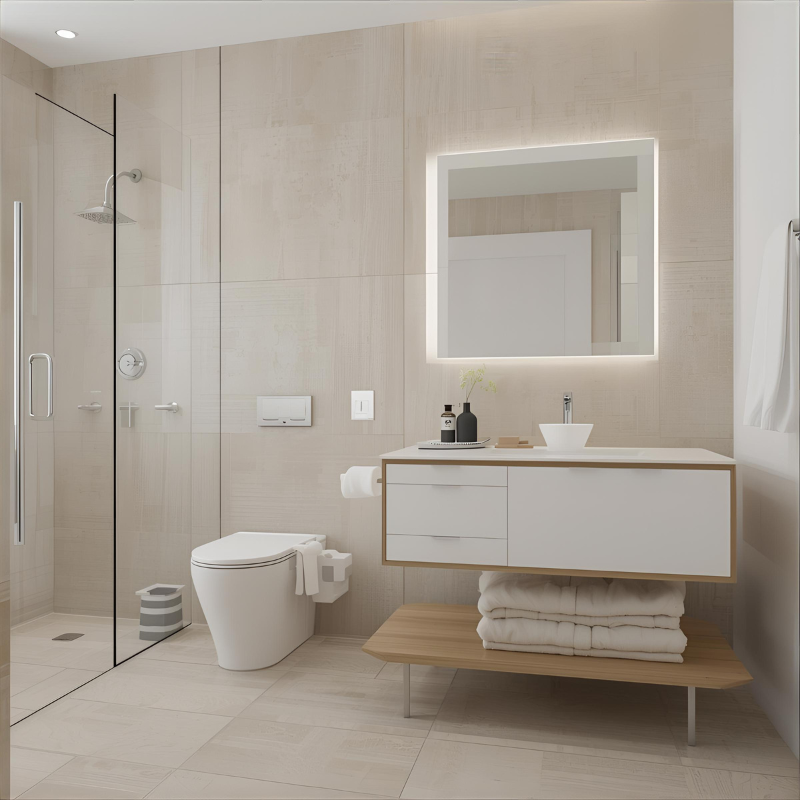
1. Introduction to Custom Stainless Steel Cabinets
这篇《Aluminum Honeycomb vs. MDF: Why Hotel Bathroom Vanities Need Better Core Materials?》是一篇极具杀伤力的“痛点打击”文章。它直接对比了市面上最常见的廉价材料(MDF)和你们的王牌材料(蜂窝铝),从根本上向 B2B 客户证明了为什么购买你们的产品能为他们省下大笔的维护费用。
你可以直接将以下内容复制进你的后台富文本编辑器中。
Aluminum Honeycomb vs. MDF: Why Hotel Bathroom Vanities Need Better Core Materials?
When specifying finishes for hotel developments or commercial hospitality projects, the bathroom vanity is a critical focal point. It must endure an incredibly punishing environment: daily exposure to high-temperature steam, splashed water, and rigorous chemical cleaning by housekeeping staff.
For decades, the hospitality industry relied on MDF (Medium-Density Fiberboard) as the standard core material for bathroom cabinetry. However, as hotel operators look to reduce long-term maintenance costs and eliminate room downtime, a new commercial standard has emerged.
Here is why replacing traditional MDF with aluminum honeycomb panels is the most crucial upgrade for modern hotel bathroom vanities.
The Costly Reality of MDF in Commercial Bathrooms
MDF is highly favored in the residential market because it is inexpensive and easy to mass-produce. However, in a high-traffic hotel environment, its structural flaws are quickly exposed.
The Sponge Effect: MDF is essentially engineered wood dust compressed with resin. When exposed to persistent humidity or minor plumbing leaks, it acts like a sponge. Moisture inevitably penetrates the seams, causing the core to swell, warp, and irreversibly expand.
Delamination: As the MDF core swells, the outer veneer or laminate layer begins to peel and crack away from the edges. This immediately degrades the luxury aesthetic of the room, leading to negative guest reviews.
Constant Replacement Cycle: Once MDF suffers moisture damage, it cannot be repaired; the entire unit must be replaced. For a hotel with hundreds of rooms, this constant replacement cycle drains facility maintenance budgets and causes severe operational disruptions.
The Aerospace Upgrade: Aluminum Honeycomb Panels
Originally engineered for the aerospace and marine industries due to its extreme strength-to-weight ratio, aluminum honeycomb technology is revolutionizing commercial sanitaryware.
Constructing the core of a bathroom vanity from aluminum honeycomb panels offers undeniable B2B advantages:
1. 100% Waterproof & Immune to Humidity Unlike wood fibers, aluminum does not absorb moisture. Whether subjected to poor bathroom ventilation, steamy showers, or direct water spills, the vanity will never swell, rot, or degrade. This zero-moisture absorption completely eradicates the risk of mold, ensuring a healthier environment for guests.
2. Unmatched Structural Rigidity The hexagonal honeycomb core provides massive structural support while remaining incredibly lightweight. This makes the vanities easier to handle during bulk hotel installations and prevents the sagging that often plagues heavy, water-logged MDF cabinets.
3. Zero Formaldehyde Emissions Standard MDF relies on glues and resins that can off-gas VOCs (Volatile Organic Compounds). Aluminum honeycomb is an eco-friendly, zero-formaldehyde material, aligning perfectly with LEED certifications and modern green-building standards.
The Ultimate Illusion: Metal Durability with Wood-Grain Warmth
The most common hesitation interior designers have when transitioning away from wood is the fear that metal cabinets will look "cold" or industrial. Advanced manufacturing has completely solved this dilemma.
Today’s top-tier source factories utilize precision finishing techniques to apply ultra-realistic, fluted wood-grain textures directly onto the aluminum honeycomb panels. The result is a vanity that delivers the rich, inviting warmth of natural wood to the hotel guest, but is secretly engineered from bulletproof, 100% waterproof metal.
Streamlining Design for Facility Managers
Pairing this advanced core material with smart commercial design further reduces maintenance overhead. By opting for a sleek, single-tier drawer layout, hotels minimize the number of internal hardware tracks and hinges—the components most likely to break under heavy guest use. This single-drawer configuration also provides rapid, unobstructed access to plumbing fixtures for facility engineers.
Conclusion
For hotel developers, architects, and B2B distributors, specifying materials is about calculating the total cost of ownership. While MDF may offer a lower initial price tag, the ongoing costs of replacement and maintenance make it a liability. Sourcing aluminum honeycomb vanities directly from a specialized factory ensures premium, waterproof durability, protecting both the aesthetic of the hotel and the profitability of the project for decades to come.
Ready to upgrade your next commercial project?
Contact JATAII today for our 2026 wholesale catalog and a free quote.
Get a Factory Quote