
Mirror Cabinet OEM: Solutions for Emerging Markets, Small Clients & Smart Tech—Break Through Cooperation Bottlenecks
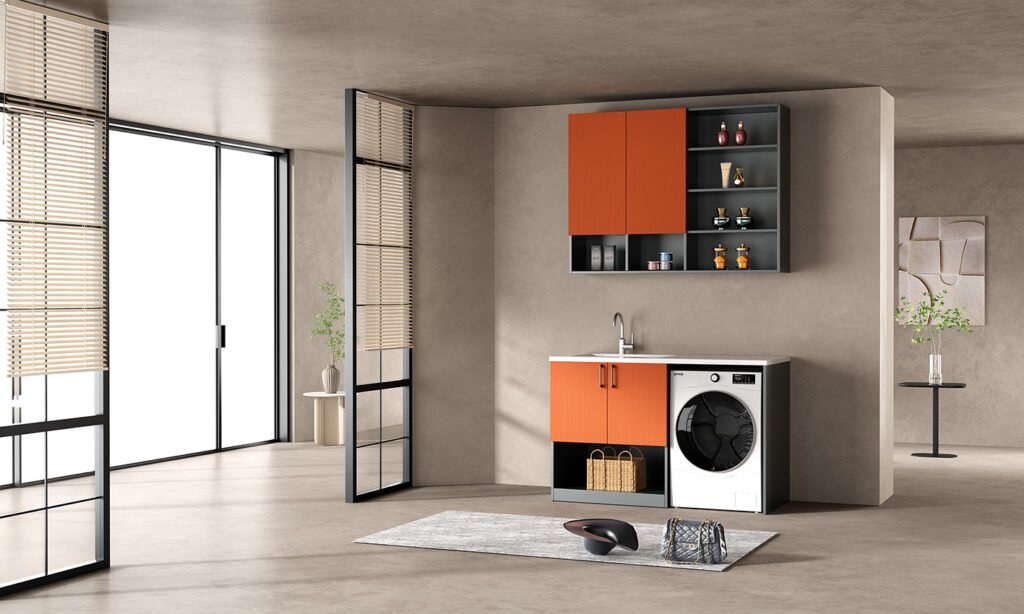
Many B-end clients still face unaddressed pain points in mirror cabinet OEM cooperation: When expanding into Southeast Asia, their cabinets warp due to high humidity, but factories can’t provide anti-mold solutions; start-up brands with limited budgets can’t meet the minimum order quantity (MOQ) of 500 units, leaving their niche market plans on hold; clients want to add AI skin analysis to smart cabinets, but factories lack technical docking capabilities—these “new scenario pain points” make traditional OEM models unable to keep up with diverse client needs. As a mirror cabinet OEM factory that has expanded into 18 overseas markets, we’ve found that the key to winning in 2025 lies in customized solutions for niche scenarios rather than one-size-fits-all services. Today, we’ll share targeted solutions for three core scenarios: emerging market localization, lightweight cooperation for small clients, and smart tech implementation—helping you turn “cooperation obstacles” into “market opportunities.” I. Emerging Market Localization: Solve “Climate, Culture, Compliance” Pain Points, Win Overseas Niche Markets Emerging markets (e.g., Southeast Asia, the Middle East, Latin America) have unique demands—high humidity in Southeast Asia, luxury preferences in the Middle East, strict import regulations in Latin America—but most factories only offer “standard products,” leading to high after-sales rates and failed market expansion. Our “three-dimensional localization system” adapts to market characteristics from product design to delivery. ✅ 1. Climate-Adaptive Design: Targeted Solutions for Humidity, Heat & Sand Different climates pose distinct risks to mirror cabinets (e.g., mold in humidity, deformation in heat, sand accumulation in dust). We customize materials and structures based on local conditions: Case Study: A Singapore client wanted to launch mirror cabinets in Malaysia (high humidity). We customized anti-mold PVC cabinets with bottom ventilation—after 6 months of sales, the after-sales rate was only 0.8%, far below the local average of 5%, and the client expanded to Thailand within a year. ✅ 2. Cultural Preference Adaptation: Align with Local Aesthetics & Usage Habits Emerging markets have unique cultural preferences—ignoring them leads to poor sales. We adjust designs based on local lifestyles: ✅ 3. Local Compliance & Logistics: Avoid “Customs Detention & High Costs” Emerging markets often have strict import regulations and complex logistics—we handle the entire process to ensure smooth market entry: II. Lightweight Cooperation for Small Clients: Break “High MOQ & Budget Barriers” for Start-Ups & Niche Brands Start-up DTC brands, designer studios, and small retailers often struggle with “MOQ requirements of 300+ units” and “high upfront costs”—we’ve launched a “lightweight cooperation system” to lower the entry threshold, making OEM accessible to small clients. ✅ 1. Micro-MOQ & Flexible Pricing: 50 Units Minimum, No More “Forced Bulk Orders” We’ve optimized production lines to support micro-batch orders, with three tiered MOQ options: Case Study: A US start-up wanted to test 30 units of “minimalist mirror cabinets with plant holders” for Instagram. We used leftover PVC panels and existing plant holder modules—total cost was $1,800 (vs. $3,000 at other factories). The trial sold out in 2 weeks, and the client placed a 200-unit bulk order 1 month later. ✅ 2. Budget-Friendly Solutions: Installment Payments & Shared R&D Small clients often have limited budgets—we offer flexible financial solutions to reduce cash flow pressure: ✅ 3. Fast Turnaround: 10 Days for Micro Batches, Catch Market Opportunities Small clients need to test markets quickly—we’ve optimized the production process for speed: Case Study: A UK designer brand needed 80 units of “art deco mirror cabinets” for a pop-up store in 2 weeks. We used existing cabinet bodies + custom art deco panels, completed production in 8 days, and shipped via DHL—arrived 1 day early, and the pop-up sold 90% of the cabinets in 3 days. III. Smart Mirror Cabinet Tech Empowerment: Solve “Tech Docking & Cost” Pain Points, Avoid “Smart Gimmicks” Many clients want to launch smart mirror cabinets but face “high R&D costs” and “technical docking barriers”—we provide “modular smart solutions” that let clients add smart functions without building a tech team. ✅ 1. Modular Smart Modules: Plug-and-Play, No Tech Expertise Needed We’ve developed 8 ready-to-use smart modules, all with standardized interfaces—clients only need to choose modules, no custom coding required: Example: A Chinese home brand wanted to add AI skin analysis to their mirror cabinets. We provided the pre-built AI module—they only needed to add their brand logo to the app interface. The entire process took 2 weeks, vs. 3 months of in-house R&D, and the module cost was $35 per unit (50% lower than custom development). ✅ 2. Technical Docking Support: End-to-End Assistance for Non-Tech Clients Clients without tech teams often struggle with “module integration”—we offer full support: ✅ 3. Data Security & Privacy Compliance: Meet Global Regulations Smart mirror cabinets involve user data (e.g., skin analysis results)—we ensure compliance with global privacy laws: Case Study: A European client wanted to launch AI mirror cabinets in Germany (strict GDPR). We provided locally stored AI modules with GDPR-compliant privacy prompts—after launch, there were no data privacy complaints, and the product was listed on Amazon Germany’s “Top Smart Home” category. IV. Long-Term Cooperation: Grow with Clients from “Niche to Scale” Our goal isn’t just to fulfill orders, but to help clients grow from small players to market leaders. We offer two key growth support services: Conclusion: The Next Chapter of Mirror Cabinet OEM—Scenario-Specific Solutions Win In 2025, mirror cabinet OEM cooperation is no longer about “who can produce faster or cheaper,” but “who can solve clients’ unique scenario pain points.” Whether you’re expanding into emerging markets, a start-up with limited budget, or a brand wanting to add smart tech—our targeted solutions help you break through barriers. If you’re facing these cooperation challenges, we offer a “free scenario assessment”—share your market, budget, and goals, and we’ll tailor a solution that fits your needs. Let’s turn niche opportunities into long-term success.
How to Mitigate Risks in Mirror Cabinet OEM Cooperation? Supply Chain Resilience + Digital Collaboration + Full-Lifecycle Services for Stable Supply, Higher Efficiency, and Lower Costs
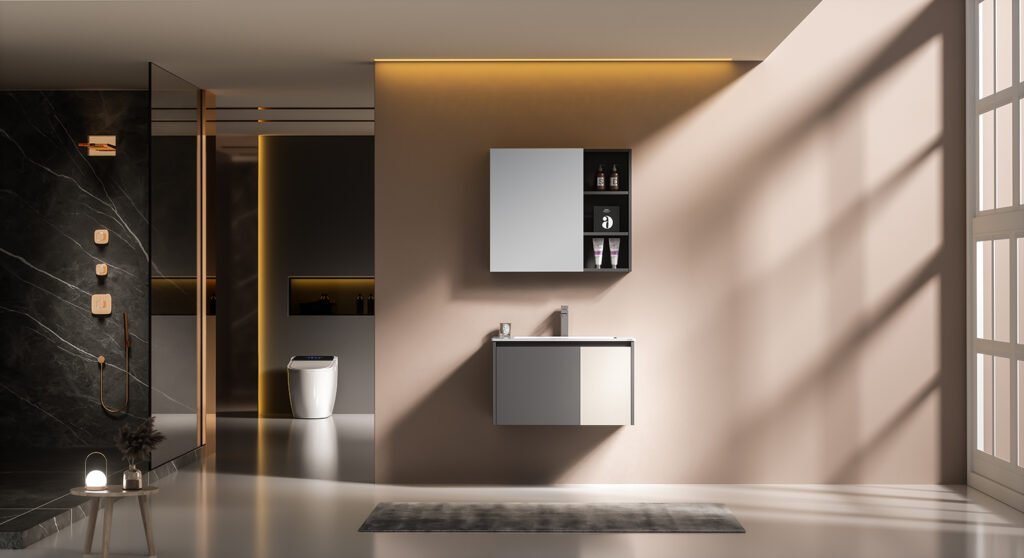
Today’s B-end clients face far more challenges in mirror cabinet OEM cooperation than just “quality and delivery”: Core raw material prices rise by 30% in six months, but factories can’t offer alternative solutions, leading to cost overruns; cross-departmental communication relies on WeChat and emails, with repeated requests for production updates and inspection reports causing inefficiency; piles of old mirror cabinets fail to meet environmental standards, occupy warehouse space, and lack compliant disposal channels—these “new pain points” leave many clients in a “passive cooperation” predicament. As an OEM factory with 18 years of experience in mirror cabinet production and over 500 clients served, we’ve identified that the core competitiveness of modern OEM cooperation has evolved from “single production capability” to “comprehensive service capability.” Today, we’ll share “risk mitigation + value-added solutions” for mirror cabinet OEM cooperation from three dimensions: supply chain resilience, digital collaboration efficiency, and full-lifecycle services—helping you not only secure stable procurement but also optimize costs across your entire business chain through cooperation. I. Supply Chain Resilience: Tackle Raw Material Volatility and Geopolitical Risks for “Stable Supply and Controlled Costs” In recent years, prices of core mirror cabinet raw materials (e.g., 304 stainless steel, eco-friendly PVC, tempered glass) have fluctuated frequently. Combined with logistics restrictions in some regions, many clients have faced “factory supply shortages and sudden price hikes.” We’ve built a “risk-resistant supply chain system” through “multi-source procurement + inventory alerts + alternative solution reserves” to help clients maintain stable supply and costs. ✅ 1. Multi-Source Procurement + Tiered Inventory: 3 Raw Material Bases Reduce Supply Shortage Risk by 80% Example: In 2024, a PVC factory in Zhejiang suspended production for environmental upgrades. We switched to a Guangdong-based supplier within 48 hours, avoiding a “15-day delivery delay” for a 2,000-unit order from a long-term rental apartment client. ✅ 2. Pre-Verified Alternative Materials: 48-Hour Alternative Proposals When Costs Fluctuate Over 10% When raw material prices fluctuate by over 10%, many factories simply pass the cost increase to clients. Instead, we pre-verify “performance-matched, lower-cost alternative materials” to balance “quality and cost” for clients: ✅ 3. “Price Lock-Up Agreements”: Long-Term Clients Enjoy 6-Month Price Stability to Avoid “Short-Term Price Hikes” To stabilize cost expectations for long-term clients, we offer “tiered price lock-up agreements”: Example: A hotel group with annual procurement of 12,000 mirror cabinets saved approximately RMB 800,000 (≈ USD 112,000) in 2024, as we honored the price lock-up agreement despite a 22% increase in stainless steel prices. II. Digital Collaboration: Say Goodbye to “Chasing Progress on WeChat, Begging for Reports via Email”—40% Higher Efficiency Many clients face “information gaps” during cooperation: The procurement team chases delivery dates, the QA team requests reports, and the marketing team tracks samples—all while relying on “repeated communication with the factory contact,” leading to inefficiency. We’ve built a “client-specific digital collaboration platform” to make end-to-end information “transparent, accessible, and synchronized.” ✅ 1. Client-Specific Digital Platform: One Portal for Real-Time “Progress + Reports + Inventory” Each long-term client receives a “dedicated digital account”; logging into the platform provides access to end-to-end information: ✅ 2. Cross-Departmental Collaboration: “Role-Based Permissions” for Clients to Avoid Information Silos To meet clients’ “cross-departmental collaboration” needs, the platform supports “role-based permission settings”: Example: A cross-border e-commerce client’s procurement, QA, and operations teams logged into the platform separately—the procurement team tracked delivery, the QA team reviewed reports, and the operations team monitored logistics. Communication efficiency increased by 40%, with “information that once took 3 days to synchronize” now available in 10 minutes. ✅ 3. Online Communication + Document Management: Say Goodbye to “Scattered Files and Lost Chat Records” The platform includes a “built-in online communication module” and “document management library”: III. Full-Lifecycle Services: From “Selling Products” to “Managing After-Sales + Old Product Disposal”—30% Lower Costs for Clients Many factories treat “delivery” as the end of cooperation, but clients still face “difficulties with after-sales repairs and old mirror cabinet disposal.” We offer “full-lifecycle mirror cabinet services” covering “installation guidance → after-sales repairs → old product recycling” to solve clients’ “post-purchase worries.” ✅ 1. Installation Support: “Visual Guidance + On-Site Assistance”—50% Higher Installation Efficiency Clients often experience mirror cabinet damage (e.g., misaligned hinge installation, broken mirrors) due to “incorrect installation.” We reduce installation risks through “visual guidance + on-site assistance”: ✅ 2. After-Sales Support: “Regional Spare Parts Warehouses + Rapid Repairs”—≤24-Hour Response Clients worry about “spare parts shortages and slow repairs.” We’ve established a “regional spare parts warehouse + rapid repair mechanism”: ✅ 3. Old Product Disposal: “Recycling + Refurbishment + Reuse”—Cost Savings + Compliance for Clients As environmental regulations tighten, clients face “compliance and cost challenges” when disposing of old mirror cabinets (e.g., hotel renovations, apartment tenant turnovers). We’ve launched an “Old Mirror Cabinet Recycling and Reuse Program”: Example: A hotel group renovated 10 branches, generating 800 old mirror cabinets. We recycled 400 for refurbishment (used in the group’s new budget hotels) and 400 for material recycling. The client saved approximately RMB 250,000 (≈ USD 35,000) in “disposal fees + new cabinet procurement costs.” IV. Long-Term Cooperation Value: From “Supplier” to “Supply Chain Partner”—Help Clients Expand Markets Excellent OEM factories do more than “provide stable supply”; they help clients expand markets through “resource integration + technical support.” We offer two value-added services for long-term clients: ✅ 1. Market Resource Connection: Link Clients to “Channels + Certification Bodies” ✅ 2. Technical Support: Help Clients with “Product Iteration + Ecosystem Integration” Conclusion: The Future of Mirror Cabinet OEM Cooperation—Comprehensive Competition in “Resilience + Efficiency + Sustainability” In today’s uncertain market environment, clients choose mirror cabinet OEM factories not just for “production capability,” but for “risk mitigation, efficiency improvement, and post-purchase problem-solving.” Our “supply chain resilience + digital collaboration + full-lifecycle services” system is designed to help clients address these challenges. If you’re struggling with “raw material volatility, inefficient communication, or old product disposal,” we’re ready to help—we don’t just provide stable mirror cabinets; we act as your “supply chain partner for risk mitigation, efficiency, and cost reduction” to achieve long-term growth in a complex market.