
Balcony Laundry Cabinets by Budget: 3 Plans for Under $200, $200-$500, & Over $500
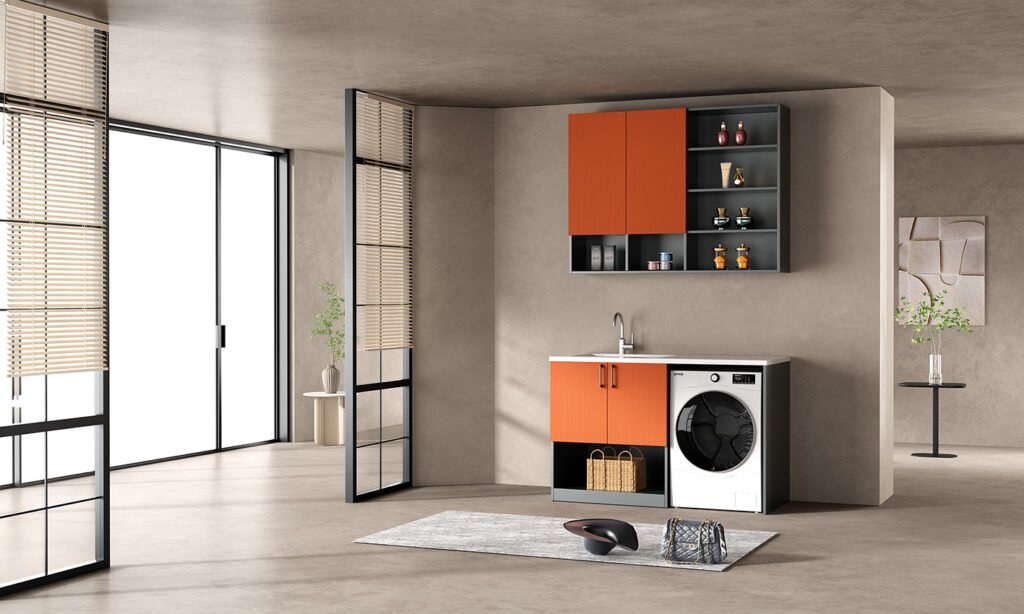
Choosing a balcony laundry cabinet doesn’t have to break the bank—but it also shouldn’t mean settling for a flimsy setup that falls apart in 6 months. Whether you’re on a tight budget, looking for value, or ready to invest in something high-end, there’s a solution that fits your wallet and your needs. Today, I’m breaking down 3 tailored plans based on common budgets: Under $200 (budget-friendly), $200-$500 (value-driven), and Over $500 (premium custom). Each one includes material picks, layout tips, and real-life examples—so you can shop smart without guesswork. I. Under $200: Budget-Friendly Plan (Temporary Use / Renters) If you’re renting, saving for a home, or just need a quick fix, this plan prioritizes low cost, easy installation, and no permanent changes. The goal is to organize your laundry space without overspending. ✅ Core Strategy: DIY + Modular Pieces (No Custom Cabinets!) ❌ Budget Pitfalls to Avoid: Real Example: A Renter’s $180 Setup A friend of mine used this plan for her 3㎡ rental balcony: II. $200-$500: Value-Driven Plan (Small Families / Long-Term Use) This budget balances durability, functionality, and affordability—perfect for small families or anyone who wants a setup that lasts 3-5 years. You’ll get more storage than the budget plan, plus better materials. ✅ Core Strategy: Semi-Custom Storage + Mid-Range Materials ❌ Value Traps to Skip: Real Example: A Family’s $380 Setup A couple with a 4㎡ balcony used this plan: III. Over $500: Premium Custom Plan (Homeowners / Design-Focused Users) If you own your home, want a “high-end look,” or need specific features (like smart tech or built-in drying), this plan delivers quality, customization, and long-term value. It’s designed to blend with your home’s decor and last 10+ years. ✅ Core Strategy: Custom Cabinets + High-End Materials + Smart Features ❌ Premium Mistakes to Avoid: Real Example: A Homeowner’s $1,200 Setup A homeowner with a 6㎡ balcony used this plan: How to Choose the Right Budget Plan for You Ask yourself these 3 questions to pick the best fit: Final Tip: Stretch Your Budget Further No matter your budget, these tricks help you get more value: A balcony laundry cabinet is an investment in your daily comfort—you don’t need to spend a fortune, but choosing the right plan for your budget ensures you won’t regret it. If you’re still unsure which plan fits your space or needs, leave a comment with your budget and balcony size—I’ll help you narrow it down!
Balcony Laundry Cabinets Don’t Need a “One-Size-Fits-All” Solution! Customized Plans for 4 Groups to Fix 90% of Pain Points
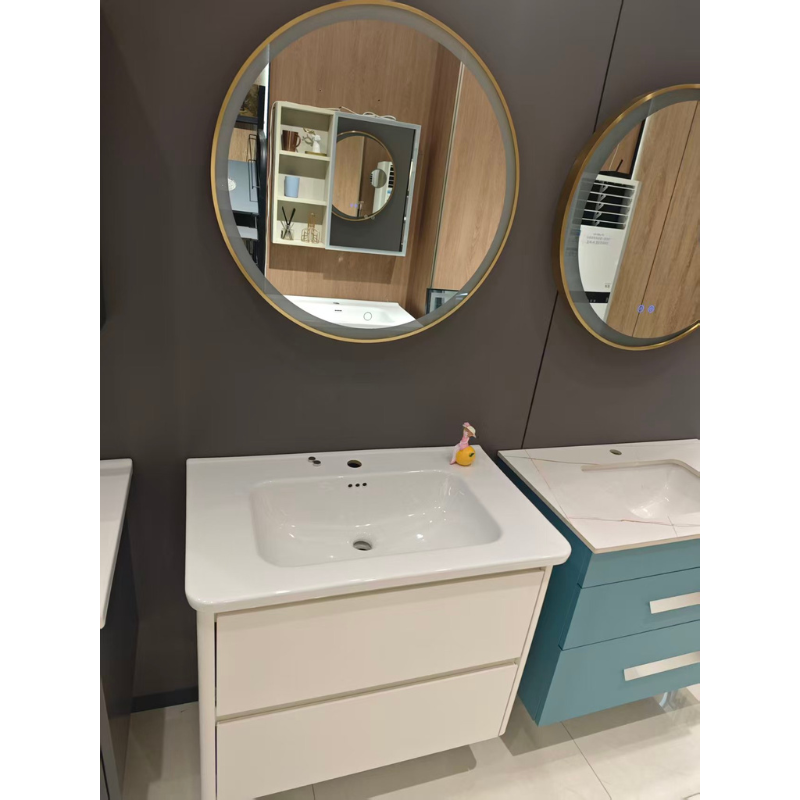
I. Renters: No-Drilling + Movable—No Wall Damage, Take It With You When Moving For renters, the biggest worries are “not damaging walls” and “not being able to take it when moving.” So your laundry cabinet needs to meet three core needs: no drilling, easy disassembly, and space-saving. ✅ Core Principle: Skip Fixed Cabinets—Choose “Modular Storage” Pick a base with brake wheels (e.g., Camelia’s adjustable base, holds up to 100kg, height adjustable 5-10cm) for easy movement and cleaning. Place the washing machine on the base, and next to it, add a “no-drill metal wall shelf” (30cm wide, 120cm tall, like IKEA’s Lack wall shelf). Store detergent and laundry bags on it—fix the shelf to the wall with “adhesive + clips” (no drilling needed, easy to remove when moving). Put a foldable laundry basket on the floor (folds flat when not in use, tucks into balcony corners). Stick a “multi-layer fabric organizer” to the wall (hang it on the side of the shelf for laundry brushes and lint rollers). The adhesive holds up to 2kg and leaves no marks when peeled off. Fix the foldable table bracket to the balcony wall with adhesive. Unfold the tabletop for folding clothes or placing temporary items; fold it flat against the wall when not in use (recommend IKEA’s Fintorp foldable table, holds up to 5kg—enough for daily use). ❌ Pitfall Alert: Avoid These! Case Study: My Bestie’s 10㎡ Rental Balcony Makeover Her balcony is 1.5m wide—before, it was just a washing machine + plastic basket, messy like a storage room. After the makeover: Total cost: $150. She took everything when moving, and the landlord even praised how clean the walls were during inspection. II. Pet Owners: Hair-Resistant + Hidden Pet Nests—Laundry Cabinets & Pets Live in Harmony For families with pets (especially cats and dogs), the biggest headaches in the balcony laundry area are “pet hair getting into the washing machine,” “pets scratching the cabinet,” and “no space for a pet nest.” Solutions should focus on hair resistance, scratch resistance, and hidden nests. ✅ Core Design: Easy Hair Cleaning + Dedicated Pet Space Stainless steel cabinets are scratch-resistant (cats can’t scratch them) and have a smooth surface—wipe hair off with a duster. Glass doors (with magnetic latches, so pets can’t push them open) let you see inside and keep hair out. Attach a “hair filter” to the washing machine’s water inlet ($1 each, filters cat/dog hair to avoid pipe clogs). Hang a “transparent plastic dust curtain” inside the cabinet above the washing machine (fix with adhesive hooks—lift it to take items, keep it closed to block hair). When customizing the cabinet, leave a 40cm×30cm space on the side (50cm off the ground to keep pets from getting cold on the floor). Line it with a waterproof pet mat (washable when dirty) and add a sliding door (pets can push it open to enter, closes to save space when not used). Raise the cabinet legs 12cm (just enough for a robot vacuum to pass through). Let the robot clean the balcony floor daily—no more manual hair sweeping. ❌ Pitfall Alert: Avoid These Designs! Case Study: My Neighbor’s “Cat-Friendly” Laundry Area She has 2 cats—her balcony laundry cabinet is stainless steel with a built-in cat nest on the side (the cats love napping in it). The washing machine has a hair filter—she hasn’t cleaned the pipes in 6 months, and no clogs. The robot vacuum passes under the cabinet daily—no more manual vacuuming for cat hair. III. Families With Elderly: Lower Countertop + Handrails + Large Handles—Easy to Use For elderly users, the biggest needs are solving “difficulty bending,” “poor eyesight,” and “hard to open doors.” Designs should focus on ease of use, safety, and clarity. ✅ Core Details: Reduce Operation Difficulty + Minimize Risks Standard countertops are 85-90cm tall, which is hard for the elderly to bend over. Lowering to 80cm (just at the elderly’s waist) lets them put clothes in without bending. Round the countertop edges (avoids injuries if they bump into it). Choose 10cm-long “U-shaped metal handles” (easy for the elderly to grip—no need to struggle with small handles). Install hydraulic soft-close hinges—doors close slowly when released, no loud slams or pinched hands. Store detergent and laundry baskets in the lower cabinet (60-120cm tall, easy for the elderly to reach). Keep backups in the upper cabinet (above 120cm, not used often). Use “large-grid dividers” in drawers (15cm×15cm each—elderly can see items at a glance, no more searching for small things). Install a “stainless steel handrail” on the cabinet side (90cm tall, for the elderly to hold when unsteady). Put a “motion-sensor night light” inside the cabinet (300 lumens, not dazzling—no more fumbling in the dark for items at night). ❌ Pitfall Alert: Avoid These! Case Study: My Grandma’s “Elderly-Friendly” Laundry Cabinet Grandma is 75—before, she used a standard cabinet, struggled to bend over to put clothes in, and always lost detergent. After the makeover: IV. Humid Areas (Plum Rain Season): Full Waterproofing + Dehumidification—No Mold or Moisture In southern China’s plum rain season (March-May), balconies are humid—laundry cabinets easily get moldy, damp, or warped. Solutions should focus on full waterproofing and active dehumidification. ✅ Core Material + Design: Prevent Moisture at the Source PVC panels are fully waterproof—no moisture absorption or warping in the plum rain season (more moisture-resistant than solid wood or engineered wood). Sintered stone countertops are dense and non-absorbent—wipe up spilled water with a cloth, no mold from water seepage. Stick “butyl rubber waterproof strips” to cabinet door seams, countertop-cabinet joints, and cabinet-base-floor contacts (blocks moisture from seeping into the cabinet). Attach a “waterproof membrane” to the cabinet back (prevents wall moisture from seeping in). Put 1 “moisture-absorbing bag” in each drawer and cabinet shelf (replace weekly to absorb moisture). Install a “mini exhaust fan” on the cabinet side (plug-in, run 2 hours daily to vent moisture—recommend 10cm-diameter quiet models, no noise). Install a 5cm-tall water barrier on the balcony floor (prevents washing machine leaks from spreading to the