The Ultimate Commercial Bathroom Vanity FAQ: A B2B Guide for Wholesale & Hospitality
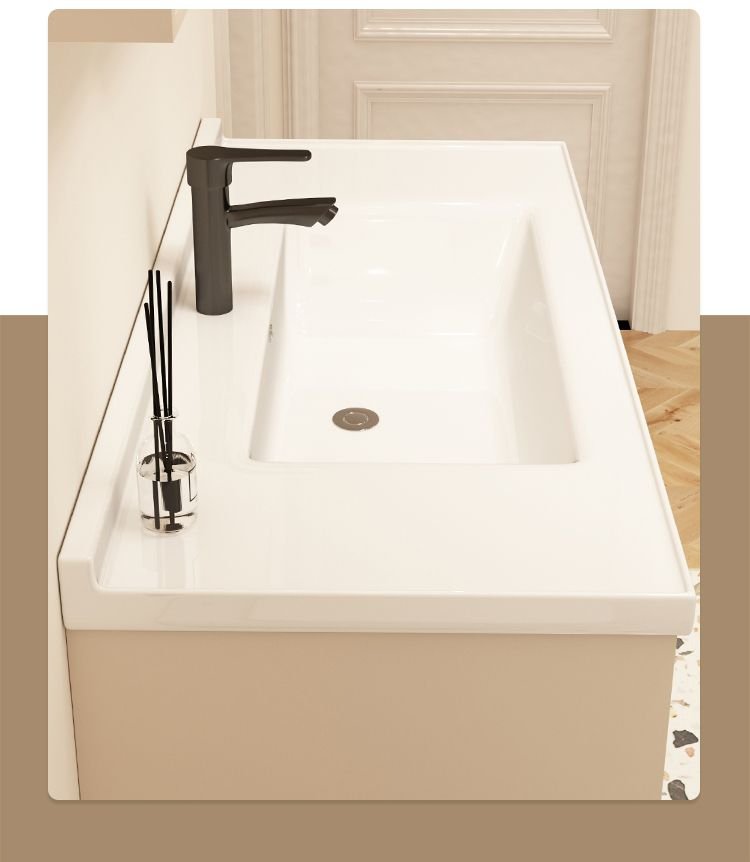
When sourcing bathroom vanities for a 300-room luxury hotel, a multi-family apartment complex, or a global distribution network, standard residential answers simply do not apply. Commercial buyers face unique challenges: strict ADA compliances, relentless humidity, housekeeping efficiency, and complex OEM supply chains.
At JATAII, we have spent years manufacturing premium Stainless Steel and Aluminum Honeycomb vanities for global B2B clients. To streamline your procurement process, we have compiled the ultimate FAQ guide specifically designed for architects, developers, and wholesale buyers.
Part 1: Commercial Materials & Durability
1. Why do traditional MDF or Plywood vanities fail in hotel bathrooms? Hotel bathrooms endure back-to-back hot showers and heavy-duty chemical cleaning. Traditional wood, MDF, and particleboard are porous. Once moisture breaches the edge-banding, the wood swells, doors warp, and hinges tear out. For commercial developers, replacing wood vanities after just a few years severely damages the project's ROI.
2. What is an Aluminum Honeycomb Bathroom Vanity? Aluminum honeycomb is an aerospace-grade material. It consists of a hexagonal aluminum core sandwiched between two solid alloy skins. When used to manufacture bathroom vanities, it provides the structural rigidity of solid stone at a fraction of the weight, while being 100% impervious to moisture and humidity.
3. Are Stainless Steel vanities truly rust-proof? Yes, provided the manufacturer uses commercial-grade alloys. At JATAII, we utilize high-grade SUS304 and SUS316 stainless steel. These alloys contain high levels of chromium and nickel, creating a passive oxide layer that prevents rust and corrosion, even in highly saline or humid environments.
4. Which material provides the best ROI for multi-family developments? Engineered metals (Stainless Steel and Aluminum Honeycomb). While the upfront factory cost might be slightly higher than cheap MDF, zero-porosity metals offer a lifetime of durability. They eliminate the ongoing maintenance and replacement costs associated with tenant water damage.
5. Can metal vanities look like natural wood? Absolutely. Modern manufacturing employs advanced sublimation and thermal transfer technologies. JATAII’s aluminum honeycomb vanities can perfectly mimic warm wood grains, matte stone, or fluted textures without sacrificing their waterproof core.
Part 2: Sizing & ADA Compliance
6. What is the standard vanity width for a hotel room vs. a family suite? For standard king or double-queen hotel rooms, a single vanity ranging from 36 to 48 inches is optimal. For premium family suites or shared Jack-and-Jill bathrooms, developers should specify double-sink vanities ranging from 60 to 72 inches to prevent morning bottlenecks.
7. What is "Comfort Height" vs. "ADA-Compliant Height"?
Comfort Height: Typically 34 to 36 inches from floor to countertop, designed to reduce back strain for standard users.
ADA Height: To comply with wheelchair accessibility codes (in the US), the vanity counter must not exceed 34 inches, and it must provide a clear knee space beneath the sink of at least 27 inches high and 30 inches wide.
8. How deep should a commercial vanity be for tight floor plans? Standard commercial depth is 21 to 22 inches. However, for urban micro-apartments or compact powder rooms, manufacturers can engineer narrow-depth vanities at 18 inches to maximize floor clearance.
Part 3: Floating vs. Freestanding in Hospitality
9. Why are Floating (Wall-Mounted) vanities preferred by hotel housekeeping? Floating vanities keep the cabinetry off the floor. This eliminates toe-kicks and legs where dust and water accumulate. Housekeeping staff can mop the entire bathroom floor in one swift motion, drastically reducing room turnover time.
10. Do floating vanities require special wall blocking? Yes. To safely support the weight of the vanity and the stone countertop, commercial contractors must install reinforced wood or steel blocking behind the drywall during the framing stage of construction.
11. Do floating vanities make a bathroom look bigger? Yes. By exposing the floor tile continuously to the wall, floating vanities trick the eye into perceiving a larger footprint—a crucial design strategy for compact 4-square-meter hotel bathrooms.
Part 4: OEM/ODM Customization & Manufacturing
12. What is the difference between OEM and ODM bathroom vanities?
OEM (Original Equipment Manufacturer): You provide the exact architectural blueprints, dimensions, and material specs, and the factory produces it exactly to your design.
ODM (Original Design Manufacturer): You select a pre-designed vanity from the factory's catalog and have them rebrand it or make slight modifications for your market.
13. Can JATAII customize vanities to exact architectural blueprints? Yes. As a 30,000m² source factory equipped with advanced CNC machinery, we do not force developers into off-the-shelf sizes. If your alcove requires an exact 41.5-inch vanity to fit flawlessly without filler panels, we will engineer and mass-produce it.
14. How does flat-pack (RTA) vs. fully assembled impact B2B shipping costs?
Fully Assembled: Saves massive labor costs and installation time on the job site, but takes up more volume in a shipping container.
Flat-Pack (Ready-to-Assemble): Maximizes container space, significantly lowering the ocean freight cost per unit, but requires contractor assembly on-site. JATAII accommodates both packaging methods based on your project's labor vs. freight budget.
15. How do Aluminum Honeycomb vanities optimize shipping? Because the honeycomb core is composed of 90% air, these vanities are exceptionally lightweight compared to solid wood or MDF. This allows wholesale buyers to load more units into a 40HQ container without exceeding maritime weight limits, lowering the landed cost per unit.
Part 5: Integrated Tech & Smart Mirrors
16. Should I source vanities and mirrors from the same manufacturer? Yes. Sourcing your vanity and mirror from a single factory ensures perfect color matching, exact proportional sizing, and unified shipping, dramatically simplifying your procurement process.
17. Why are LED Smart Mirrors essential for commercial bathrooms? Traditional bathroom sconces require complex electrical rough-ins and cast shadows. Integrated LED smart mirrors provide flawless, even facial lighting. More importantly, JATAII’s smart mirrors feature built-in defogging technology, preventing steam damage to the surrounding drywall and ensuring the glass remains crystal clear for guests.
Ready to Scale Your Procurement?
When you are outfitting hundreds of rooms, you cannot afford to guess on material durability or supply chain reliability.
At JATAII, we bridge the gap between cutting-edge aesthetic design and heavy-duty commercial engineering. [Contact our B2B Export Team today] to discuss your project blueprints, request OEM pricing on our metal vanities, or order samples for your next major development.
Ready to upgrade your next commercial project?
Contact JATAII today for our 2026 wholesale catalog and a free quote.
Get a Factory Quote